

Best Quality Stardawg Strain Online
Best Quality Stardawg Strain Online
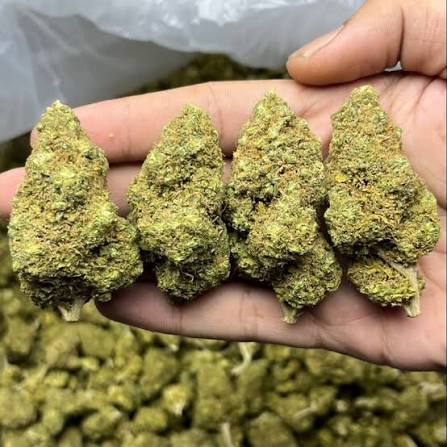
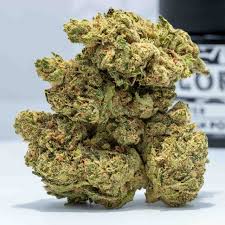
STARDAWG is a sativa-dominant hybrid, typically testing between 20% and 25% THC, bred by crossing Chemdawg 4 and Tres Dawg. Known for its intense chemical fuel aroma and sparkling wet frost, this cultivar develops spear-shaped colas with dense, light-green bracts and prominent orange pistils. It shows a vigorous growth habit with a pronounced vertical stretch, making it a favorite among experienced growers seeking extraction-grade resin and classic diesel-forward profiles.
The strain earned its name from the brilliant, star-like coating of trichomes that covers its buds during late flower. It has established a strong reputation in both medical and recreational markets for its sharp, chemical-heavy terpene profile and long-lasting physical and cerebral effects.
Quick Facts
| Attribute | Details |
|---|---|
| Genetics | Chemdawg 4 × Tres Dawg |
| Variety | Sativa-dominant Hybrid (approx. 60/40) |
| THC Range | 20% – 25% |
| Flowering Time | 9 – 10 Weeks |
| Yield Potential | Moderate to High |
| Plant Height | Medium to Tall |
| Climate Preference | Temperate, moderate humidity |
| Difficulty | Moderate |
Scientific & Botanical Overview
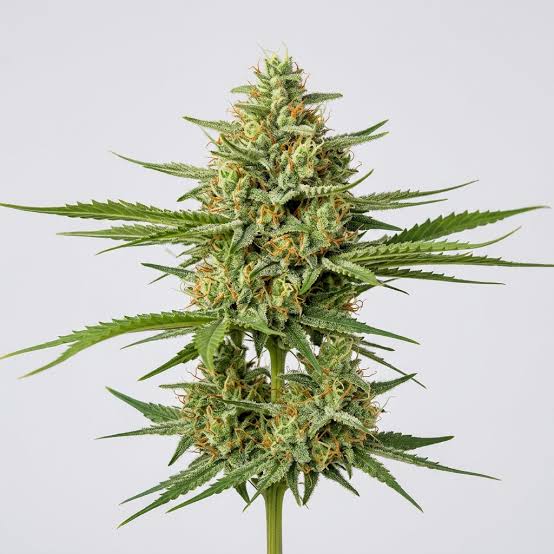
Botanically, Stardawg displays strong sativa morphology inherited from its Chemdawg lineage, characterized by thin fan leaves and a significant stretch during the transition to flower. The nodal spacing is moderately wide, allowing for excellent light penetration and airflow through the lower canopy. This structure requires active management to optimize the light footprint in indoor environments. Best Quality Stardawg Strain Online
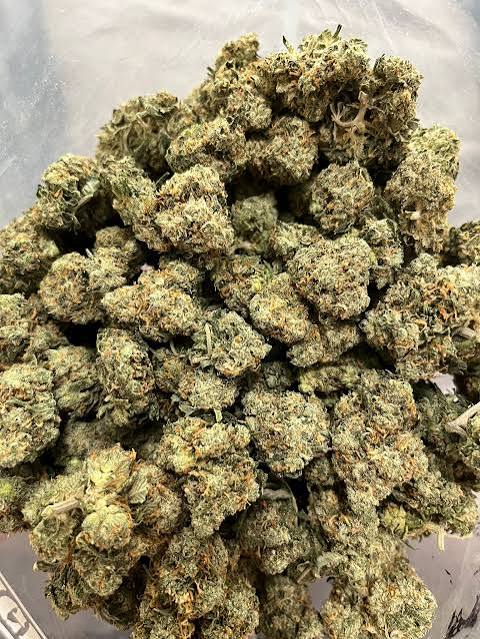
The buds form in dense, elongated spear colas rather than rounded indica clusters. These flowers consist of tightly packed, swollen calyxes that produce an abundance of capitate-stalked trichomes, giving the dried flowers a greasy resin texture. The heavy concentration of resin glands makes the plant highly sensitive to late-flower humidity levels.
Under optimal conditions, the foliage remains a vibrant light green, though cooler night temperatures in late flower can occasionally coax out subtle dark-purple hues on the sugar leaves. The stem structure is relatively sturdy but benefits from support to prevent heavy colas from leaning. It shows a strong tolerance to moderate temperature fluctuations but prefers a stable, temperate environment.
Effects & Use-Cases (Reported)
Commonly reported effects: Users frequently report a rapid, energizing cerebral lift accompanied by a warm, radiating physical relaxation. The initial onset is often described as mentally stimulating and focusing, which gradually transitions into a heavy, soothing body stone that does not immediately cause sedation.
Use-case context: This balanced profile makes Stardawg well-suited for late afternoon or evening use, providing a functional headspace before settling into physical rest. It is commonly selected by those looking to ease physical tension or stimulate appetite while maintaining mental clarity.
Note: Due to its high potency and rapid onset, novice consumers should approach this cultivar with caution to avoid overstimulation or mild anxiety.
Aroma & Flavors
Aroma: The olfactory profile is dominated by a sharp, industrial gas and chemical-forward diesel note, accented by underlying hints of damp earth and pine. Breaking the buds releases a pungent, sulfurous skunk scent that lingers in the air.
Flavor: On the palate, it delivers a robust, savory flavor profile featuring tart gas, bitter pine, and a sharp, peppery finish. The smoke is dense and expansive, leaving a clean, chemical-skunk aftertaste.
Terpene associations: Lab analyses typically show a dominance of beta-caryophyllene, limonene, and myrcene, which drive its spicy, citrusy, and earthy undertones.
Tested Cannabinoid & Terpene Ranges
| Compound | Average Range |
|---|---|
| Δ9-THC | 20.0% – 25.0% |
| CBD | < 0.5% |
| CBG | 0.5% – 1.2% |
| Beta-Caryophyllene | 0.4% – 0.9% |
| Limonene | 0.3% – 0.7% |
| Myrcene | 0.2% – 0.6% |
Note: Cannabinoid and terpene levels are highly variable and depend on specific phenotypes, environmental conditions, and cultivation methods.
Cultivation Notes
- Humidity Control: Keep relative humidity (RH) around 50-55% during early flower, reducing it to 40-45% in the final weeks to protect the dense spear colas from mold.
- Nutrient Management: Stardawg is a moderately heavy feeder, requiring steady nitrogen during veg and a robust phosphorus and potassium regimen to support its heavy calyx development.
- Canopy Training: use topping and low-stress training (LST) early in vegetative growth to manage the vertical stretch and promote more uniform bud sites.
- Support Structures: Install double trellising or stakes by week 4 of flower to support the heavy, resin-rich upper branches as they begin to lean.
- Phenotype Selection: Look for phenotypes that exhibit tight internodes and a strong, chemical gas aroma early in vegetative stem rubs.
Genetic Lineage
Stardawg was created by legendary breeder JJ Grey of Top Dawg Seeds, who crossed Chemdawg 4 with his backcrossed male Tres Dawg (Chemdawg d × Double Dawg). This breeding project aimed to stabilize and enhance the elite, fuel-forward characteristics of the Chemdawg family while improving plant structure and yield.
The resulting offspring preserved the raw, chemical-heavy essence of its ancestors while introducing a more reliable, star-studded resin coverage. It has since become a foundational parent strain in modern breeding, passing down its intense gas profile and high resin production to numerous contemporary hybrids.
Research Insights
Scientific interest in Stardawg often centers on its high concentration of sesquiterpenes, particularly beta-caryophyllene. This compound acts as a dietary cannabinoid, binding directly to CB2 receptors, which may explain the strain’s profound physical soothing properties despite its sativa-dominant growth habits.
The synergy between its high THC content and a robust secondary terpene profile, including limonene and humulene, contributes to what researchers identify as a highly active entourage effect. This chemical complexity makes it a frequent subject of study for extraction efficiency and terpene retention in modern concentrate production.

Reviews
There are no reviews yet.